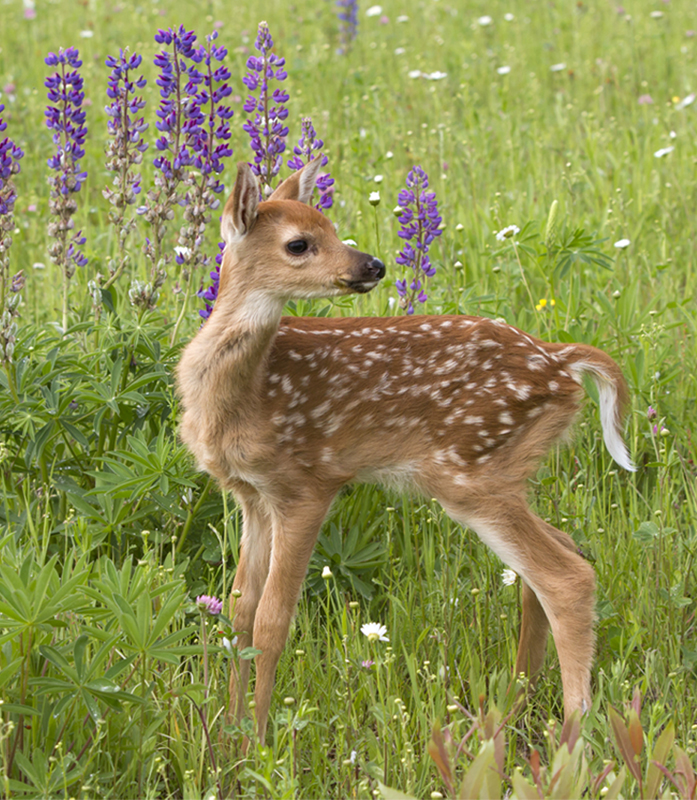
freckled fawn frozen
as anxious hawk hovers high ~
twig cracks, life preserved
Author’s Notes:
Traditional and structured, this short form of Japanese poetry is well-known for its rule of 5/7/5: five syllables in the first line, seven in the second, and five again in the third.
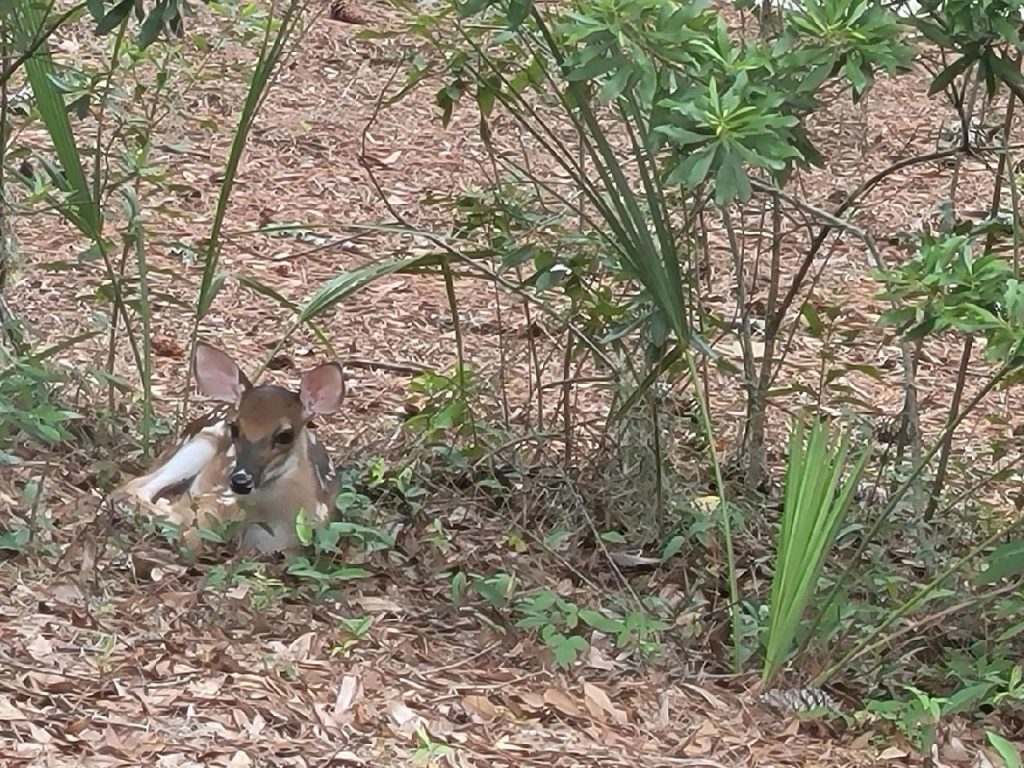
Deer know that predators can detect movement quickly. When they “freeze” they are counting on their natural camouflage to blend in and not be noticed by the predator.
Deer have developed a keen sense of hearing and are easily startled by sudden noises, such as the sound of a twig cracking. This will often cause them to bolt, swiftly out-maneuvering predators in a flight to safety.
Some species of the hawk are large enough to take down larger prey, including deer. The Red-tailed Hawk is one of the most common types of a hawk in North America, and it has been known to kill adult deer on occasion.
The Cooper’s Hawk is another type of hawk that is found in North America, and while it typically eats small animals, it has also been known to kill deer fawns. In addition to these two species, there are several other types of hawks that have been known to prey on deer, including the Goshawk, the Eurasian Sparrowhawk, and the African Crowned Eagle.
Write a Review
[site_reviews_form assigned_posts=”post_id”]
[site_reviews assigned_posts=”post_id”]